Gemstones1 September 20265 min
Kesho
How twenty-one Malaya garnets from Matombo reached us - and why, at the start, someone has to pay before knowing what they are buying.

Kesho
TANZANIA
A word that means tomorrow
There is a Swahili word we came to understand better than any other in four years in Tanzania: kesho. Tomorrow.
Kesho is not a point in time. It is a hope. The hope that it works out, that nothing else gets in the way, that the power is back and the phone has signal. Anyone buying gemstones in Tanzania learns kesho as the answer to every question about when.
Dar es Salaam
The city hits you as heat first. A heat that does not let go when the sun sets, because the concrete stored it all day and gives it back at night.
Then the noise. Motorbikes between the lanes, horns as a language, music from every second shop. The traffic stands still, and beside it an entire economy moves on foot: someone sells a few eggs, someone cooks a single dish at the roadside, someone carries water, someone holds goods up to car windows. Almost everyone works for themselves, not out of a love of independence but because there are no jobs.

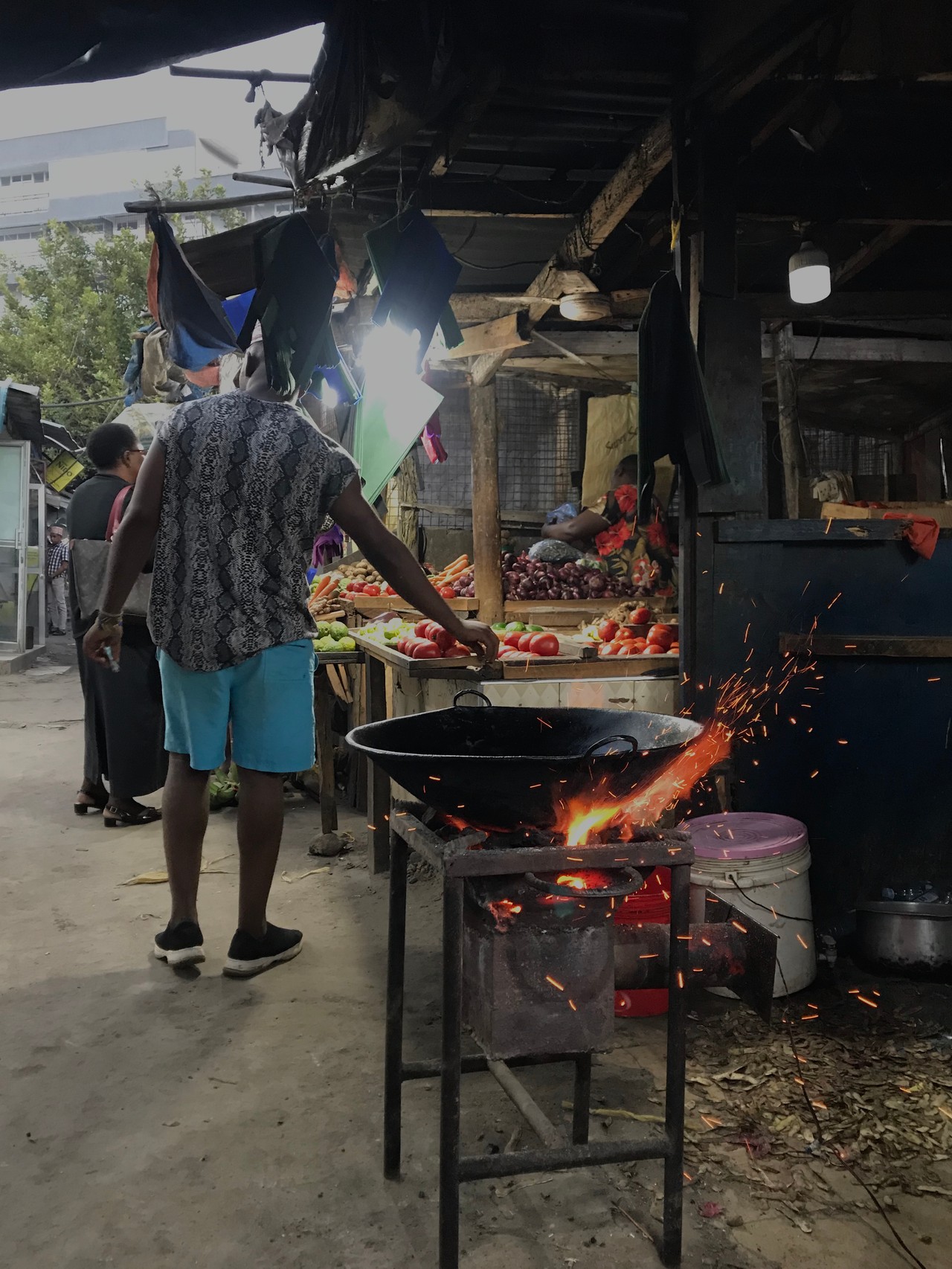
And over all of it lies something you do not expect if you only know the numbers: hope. Not as a phrase but as a way of working. You carry on, because tomorrow something might come through.

MATOMBO, NEAR MOROGORO
Our miner is called France
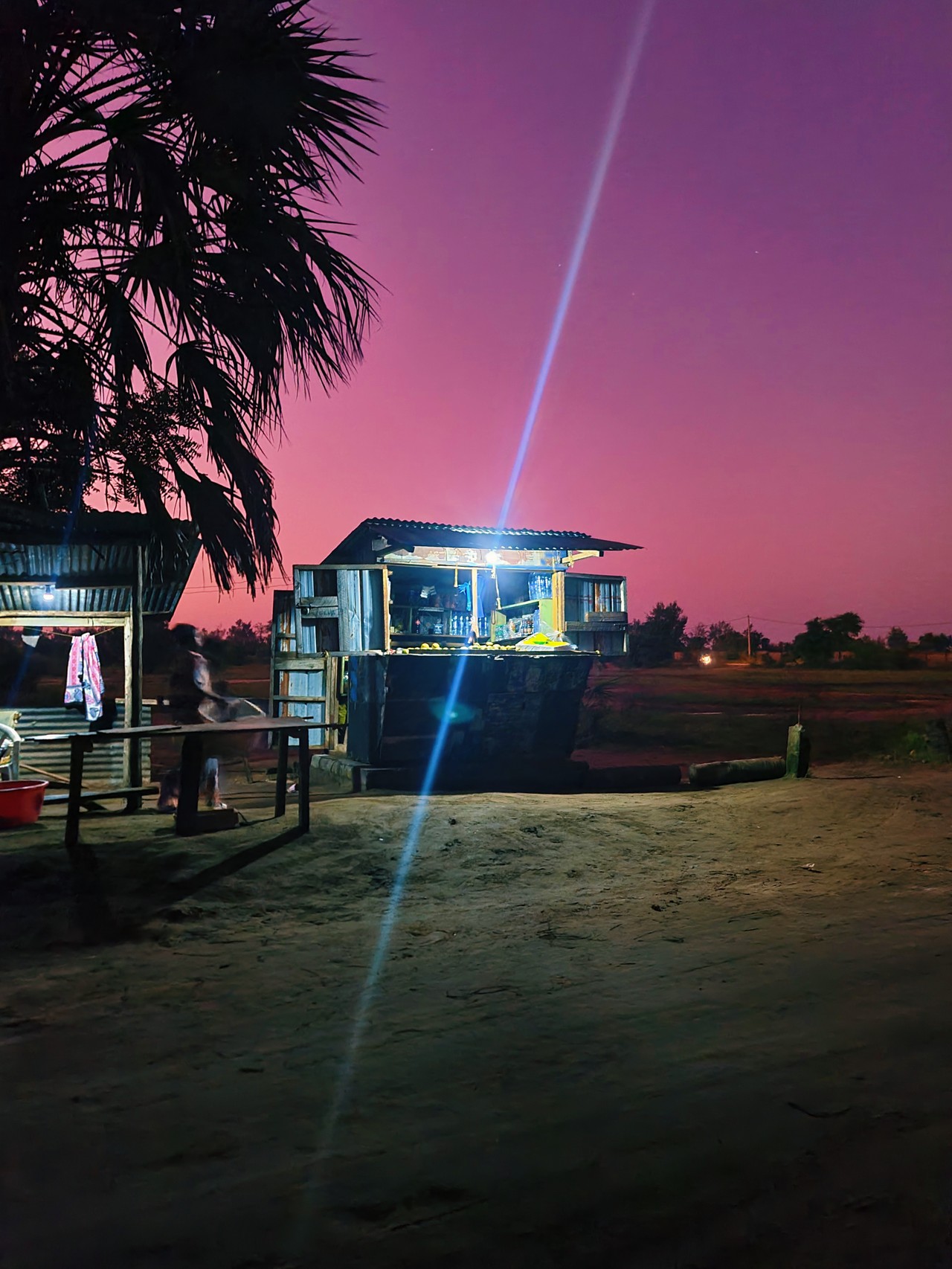
The stones come from Matombo, a village near Morogoro.
Digging for gemstones there is rarely a profession. You do it for a few days, when someone turns up who will advance the wages for it. Alongside that you help on a building site, sell something, cook something. The tools are the simplest there are. Nobody has a smartphone; they have a simu mdogo, a small phone you can make calls with and nothing else.
The power fails nationwide. At home there is no connection anyway. A few hours without contact become days, and the answer to when it will happen stays the same: kesho.
The part nobody talks about
At every step of this chain, money is missing. Not a little money - all of it. That is why it needs a buyer who pays first, before seeing the stone, before anyone knows what it even is.
That is the critical point. And it rests on nothing but trust. And yet it does. It carries the whole chain.
WHAT THE CHAIN RESTS ON
Trust, in a world where most people live on cents, is a feeling that ought not to exist at all.
NO INSTRUMENTS
Nobody yet knows what it is
There are no instruments in the village. What the stone is remains an assumption - because someone once found and sold something like it before. Nothing more.
Certainty only comes to us in Switzerland. There we measure density and refractive index, and only then is it settled what came out of the ground in Matombo.
THE BODAS
The way into the city
From the bush to the city is far. Public transport covers those routes only in part. So the bodas take over - motorbike taxis, and at the same time the country's courier system.
Once in the city, the first photographs arrive. Someone has a smartphone. What a relief.
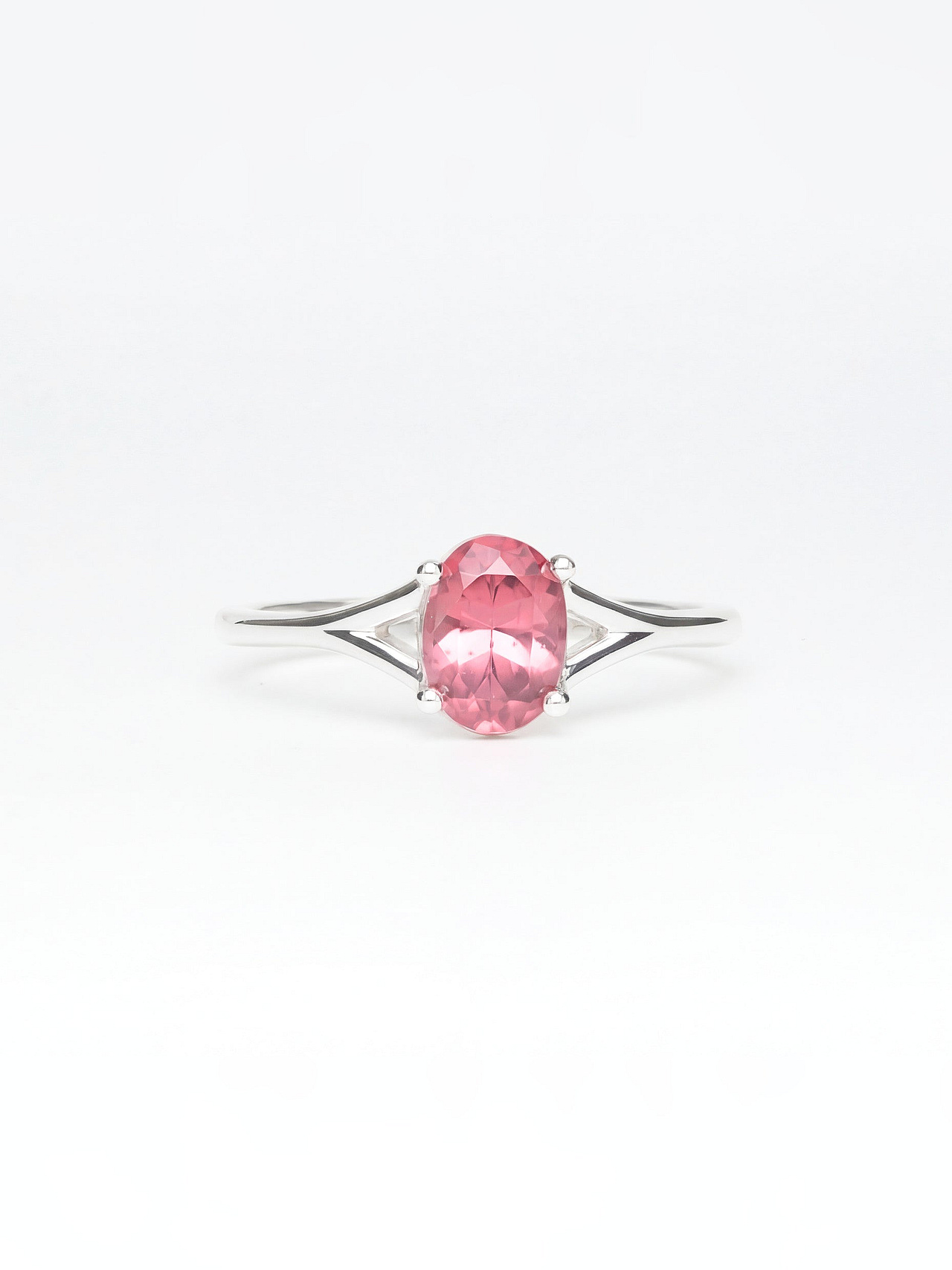
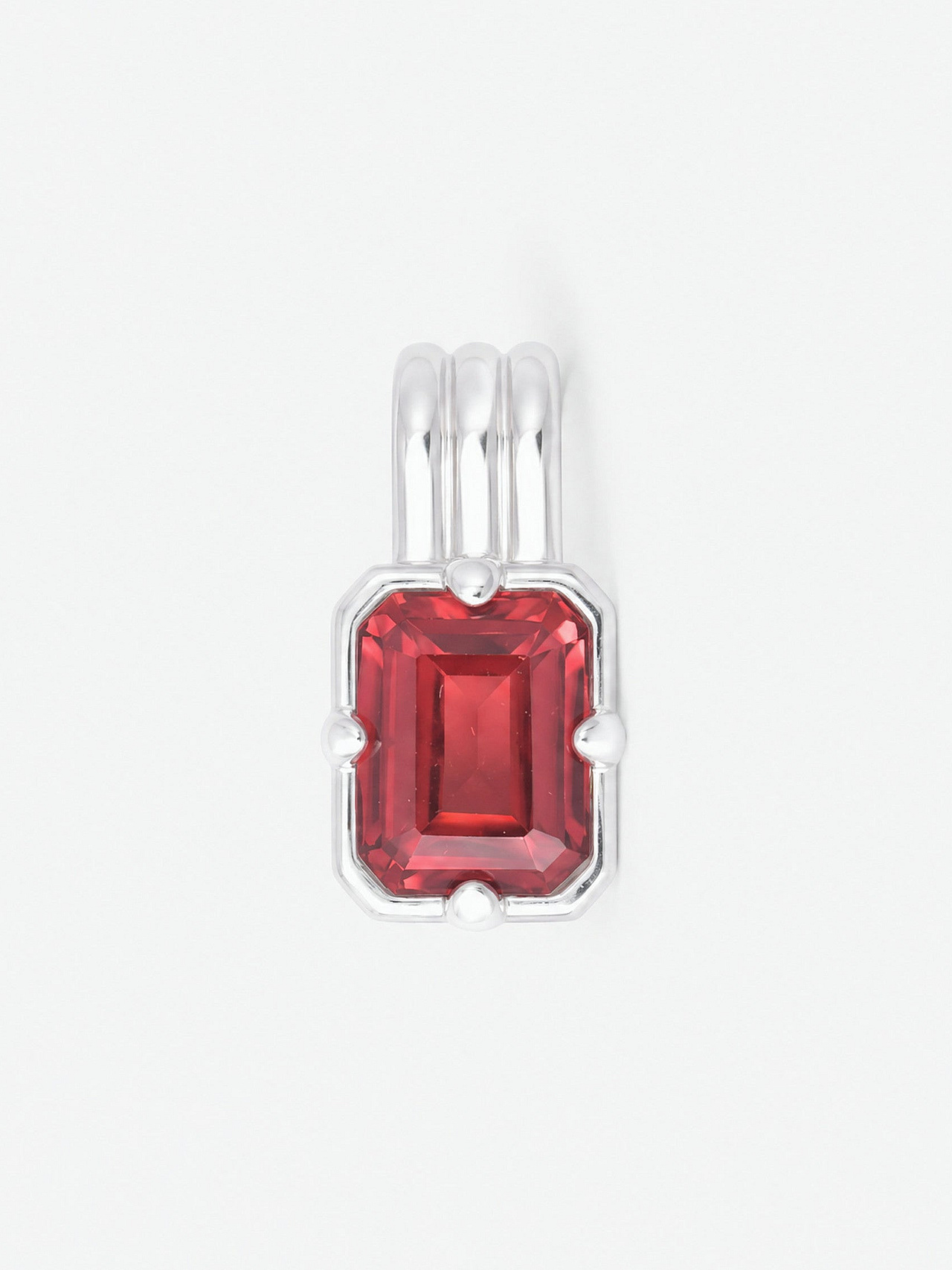
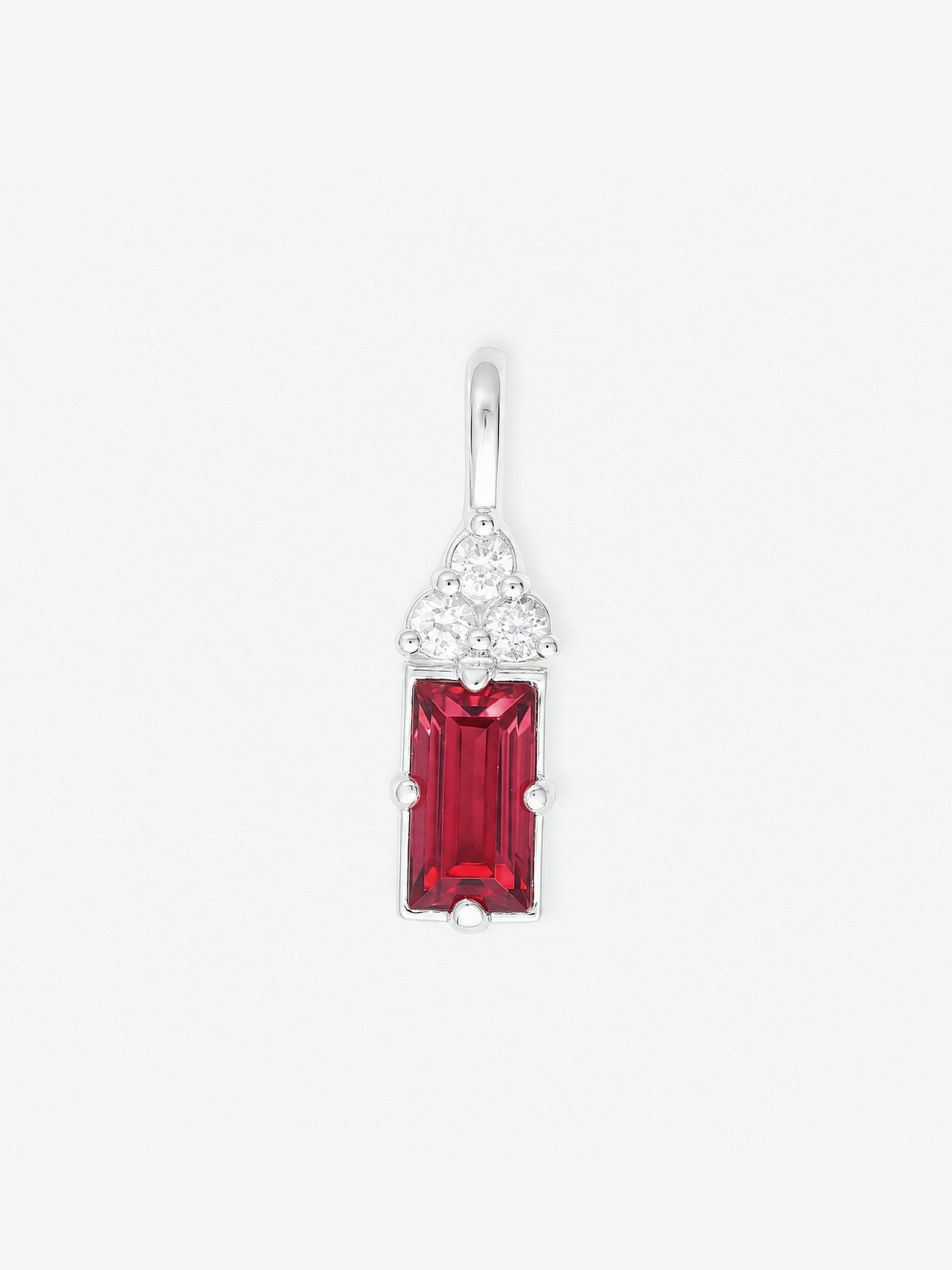
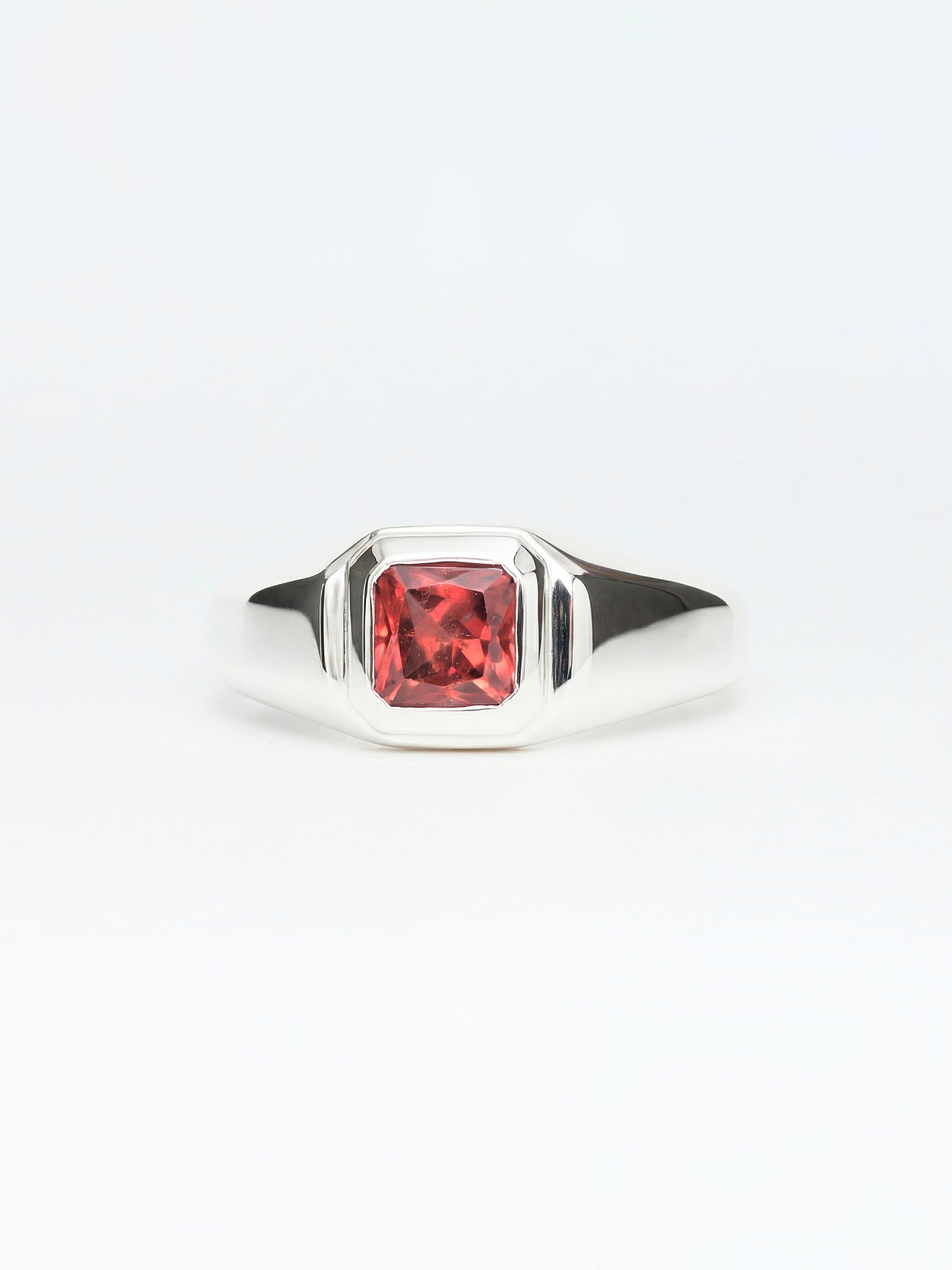
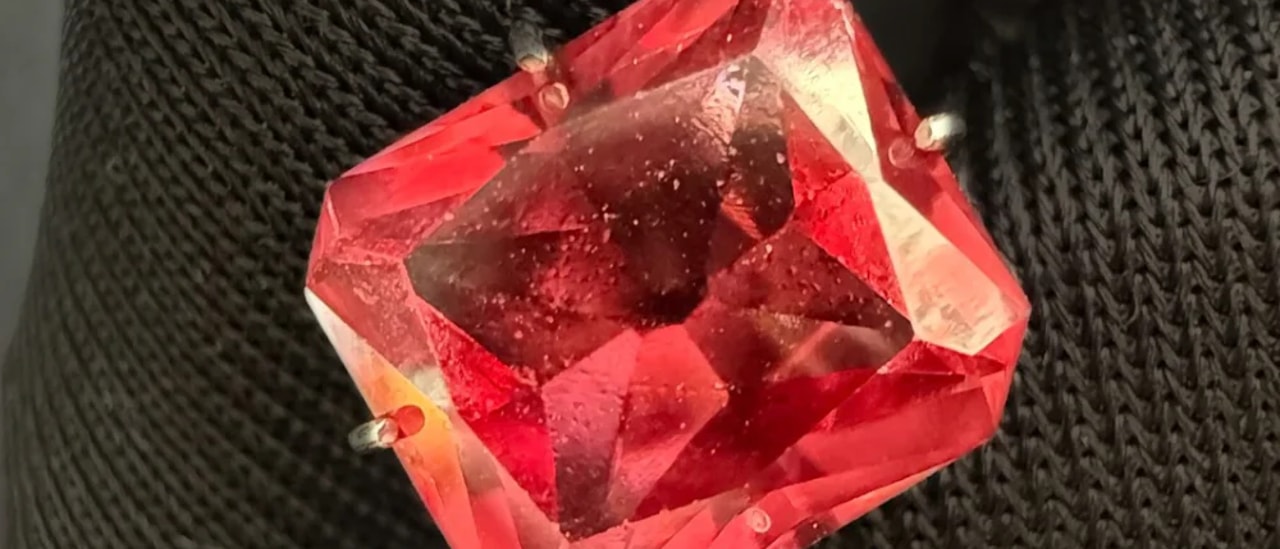
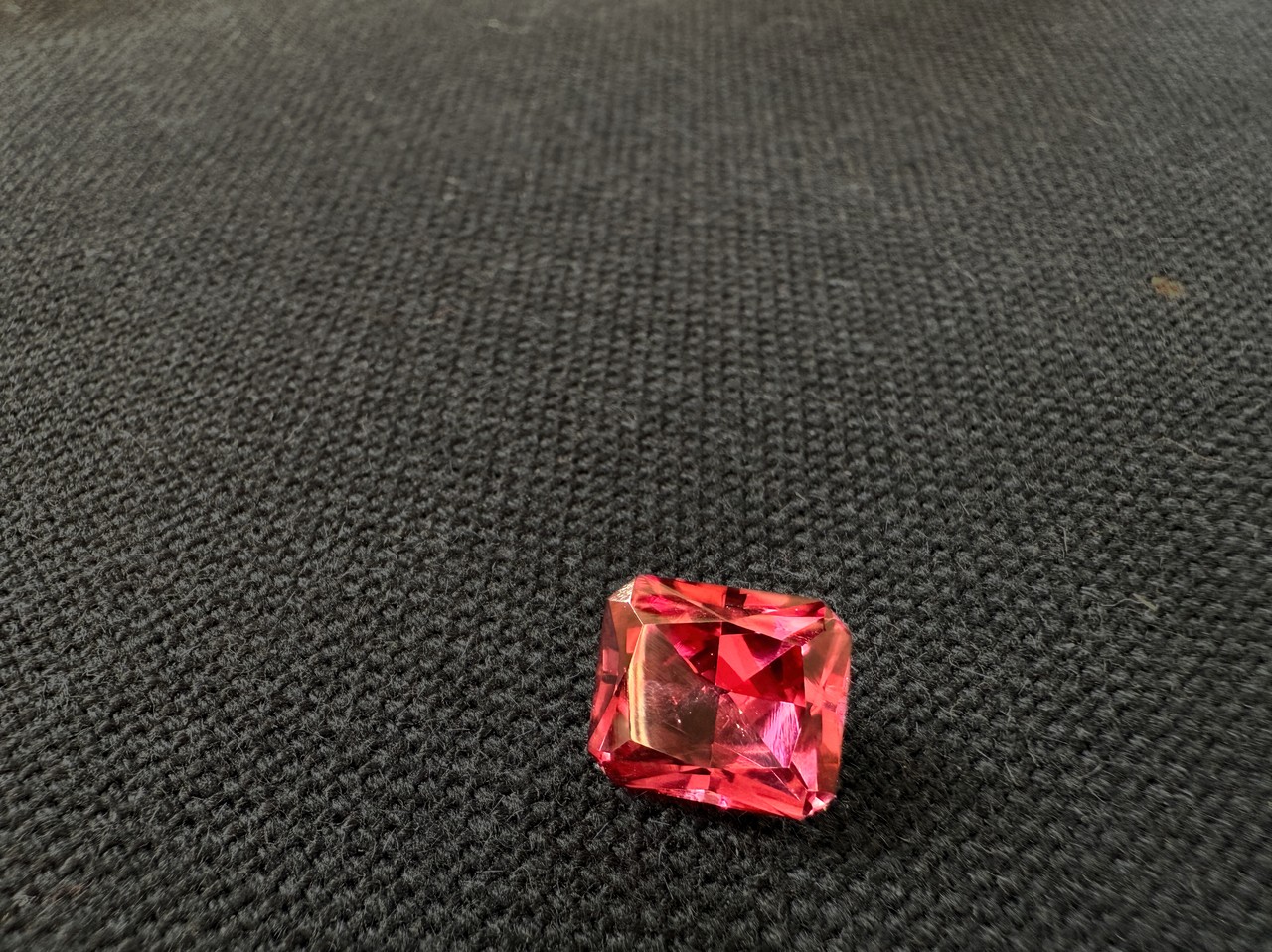
And then you see them for the first time: large. And in a colour you do not know from garnet. The trade knows garnet mostly as violet-red. These glow orange, fiery, red.
Why nobody wanted him
Malaya is Swahili and means, roughly: the outsider. The one who does not belong.
The name is not marketing, it is a verdict. Garnet is sorted by species in the trade, and anyone buying wants to know what is in front of them. These stones could not be placed. They are a natural blend of pyrope and spessartine - two garnet species that ought to occur apart and here grew together. For the categories of the trade that was not a find but a fault. Something you could not sell, because it had no name.
So it was given one: outsider.
The absurdity of that shows the moment you hold one. Garnet is known as dark and violet-tinged, a stone that swallows light. These do the opposite. They are bright, open, and the colour sits in them so saturated that they seem to glow from within.
Not being wanted had nothing to do with the stone, then. Only with the fact that nobody had a category it fitted.
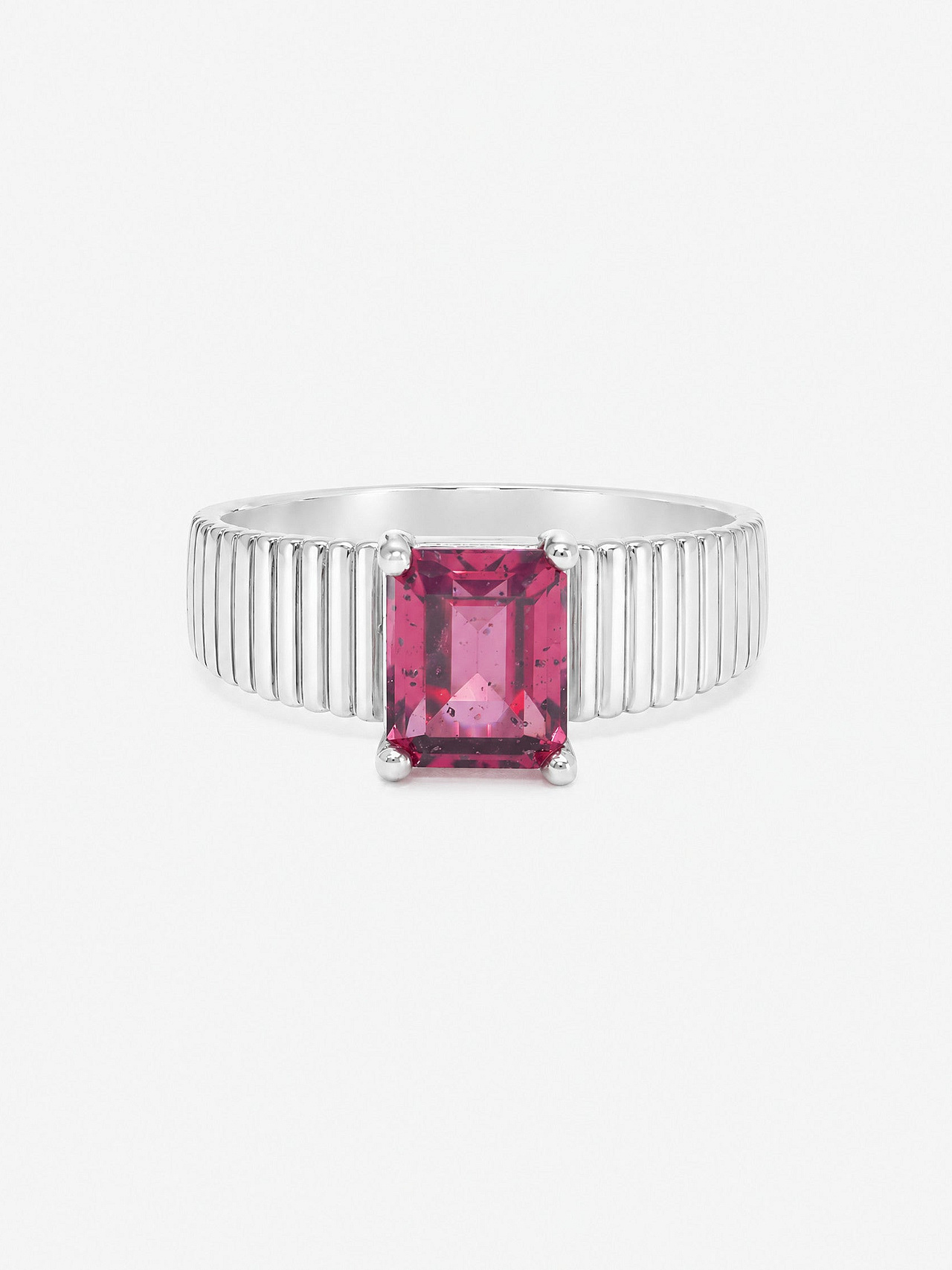
Twenty-one of them in the end, from 0.82 to 4.54 carats. The largest is eye-clean and comes explicitly from Morogoro, as does a second at 1.5 carats. All untreated: no heating, no irradiation. What you see is how it grew.
AN ENVELOPE, A MOTORBIKE
Trust, once more
The next middleman is paid before our boda courier takes the stones in a small envelope and brings them to the lapidary.
An envelope. A motorbike. Trust again, and again the kind that is hard to put into words.
The cutter decides the shape. He takes the weight. After that the parcel travels to us.
Why we do it this way
You could buy stones ready-cut at a trade fair. Faster, safer, without kesho.
We buy them rough, because that path is the reason a piece means anything at all. At the end there is not just a garnet in a setting. At the end there is a village, a miner called France, a courier on a motorbike and a chain of people who trusted one another before anyone knew whether it would pay off.

FROM ROUGH TO PRECIOUS
What came out of the ground in Matombo ends up in a setting made in Olten.