Gemstones17 September 20263 min
Tourmaline - Color With Pull
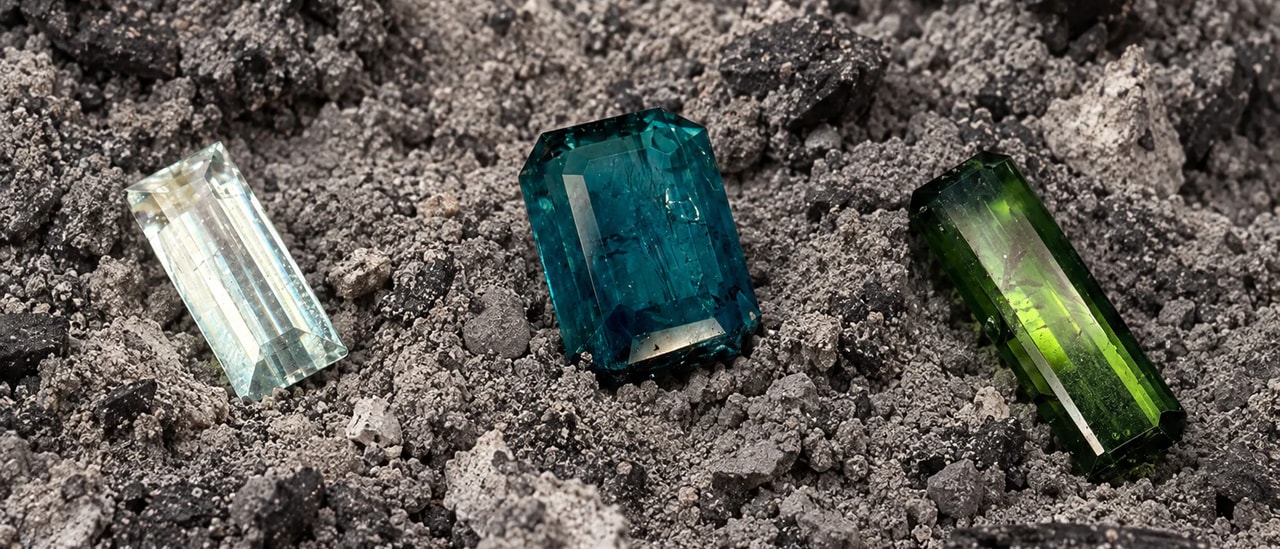
Deep green, cool blue-green and a touch of pink: three new tourmalines from Afghanistan join our gemstone selection. Each with a color world of its own - and a surprising story.

Tourmaline - Color With Pull

ONE STONE, MANY COLORS
Long mistaken for something else
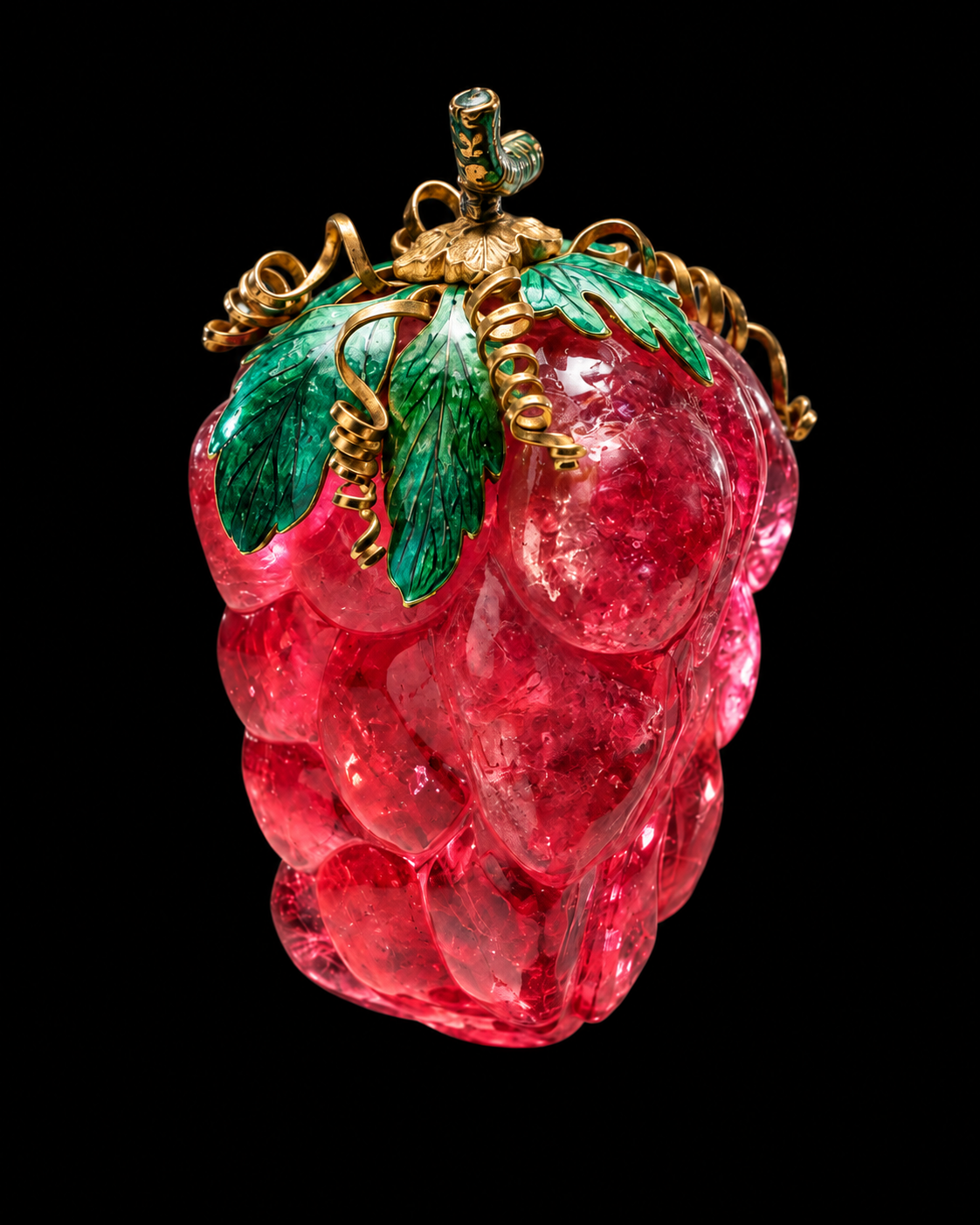
Long before tourmaline became known under its own name, it was already causing confusion. Green specimens were taken for emeralds, red ones for rubies. Even the famous «Caesar’s Ruby» from the Russian Crown Jewels is in fact a red tourmaline. That a gemstone can take on so many colors confounded even royal collections. GIA
The color sits in the crystal
This variety sits in the crystal itself. Tourmalines belong to a mineral group whose composition can vary widely. Different elements influence the color: iron plays a role in many green and blue tourmalines, manganese in pink and red ones. If conditions change during growth, several color zones can form within a single crystal. GIA

A SURPRISING PROPERTY
Attractive, literally
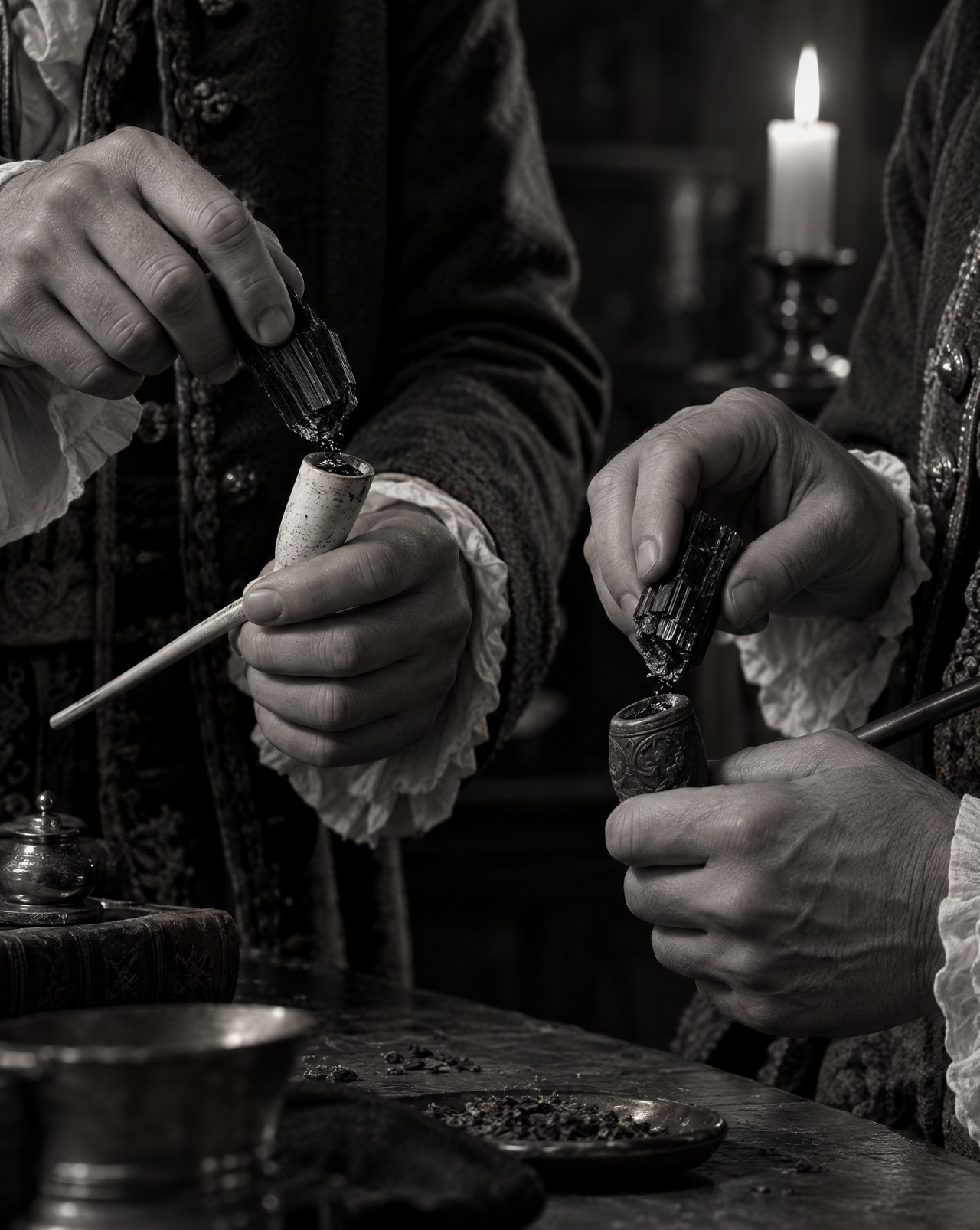
Tourmaline can build an electric charge when warmed, and thereby attract light particles such as dust or ash. This property is called pyroelectricity. Pressure can generate a charge too - that is known as piezoelectricity. GIA
Dutch traders are said to have put the effect to practical use in the 18th century: with warmed tourmaline crystals they drew the ash out of their pipes. IGI
THE NAME THE TRADERS GAVE IT
Aschentrekker - ash-puller. A rather surprising use for a gemstone we wear in fine jewelry today.
Our purchase: three colors, three favorites
At one of our gemstone purchases we selected three tourmalines from Afghanistan: a verdelite, an indicolite and a watermelon tourmaline. In color our selection ranges from deep green through cool blue-green to very delicate pastel tones. Even these three stones hint at how much creative room tourmaline offers.

VERDELITE · 1.68 CARATS
Deep green that stands on its own
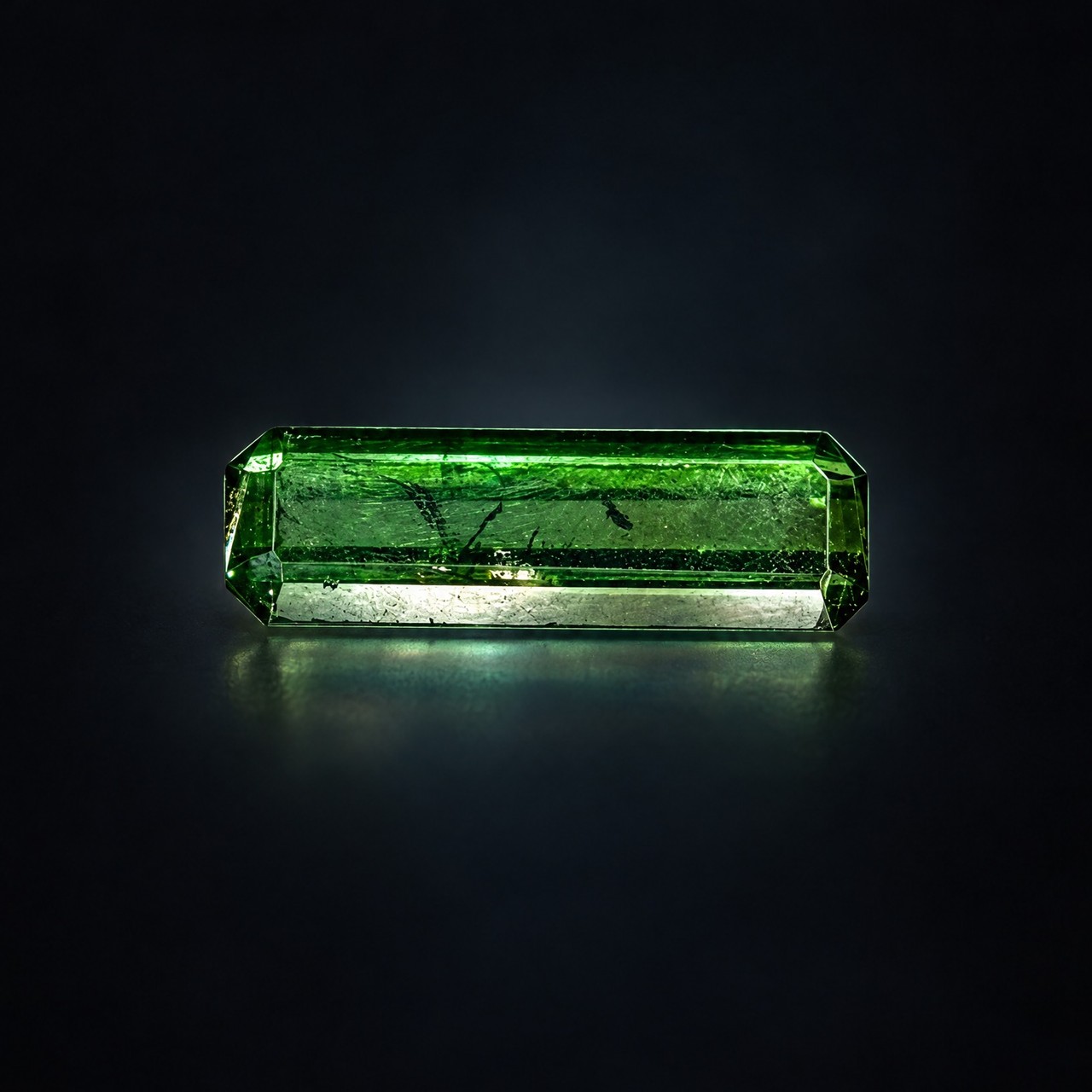
At 1.68 carats, our verdelite is the largest of the three stones.
Verdelite is the name given to green tourmalines. Their palette runs from light, delicate nuances to deep green. Many show different hues depending on the viewing direction - turning the stone can reveal a bluish note. GIA
For jewelry this green is an expressive starting point. A single stone can give a plain design its entire effect.

INDICOLITE · 1.04 CARATS
Between blue and green
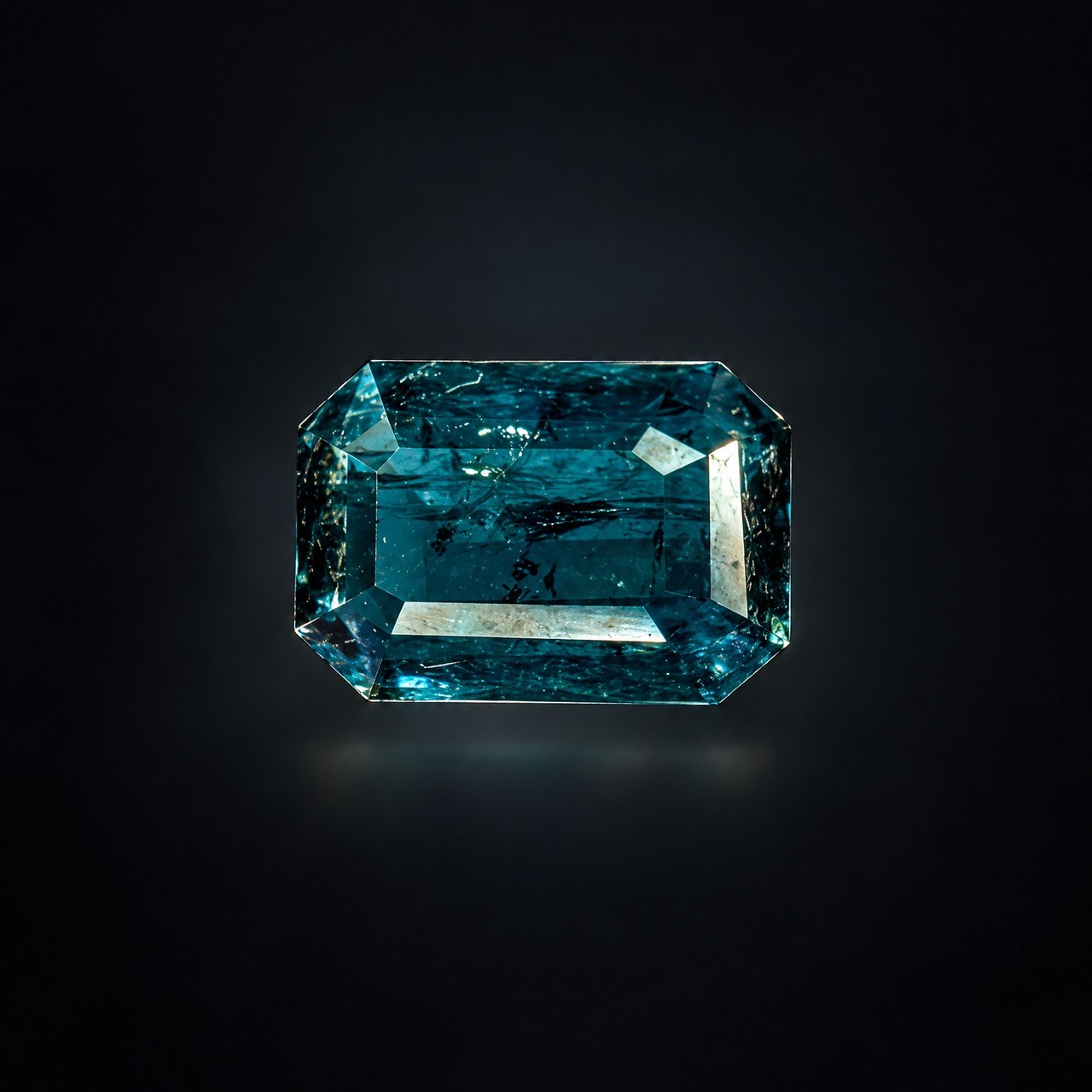
Our indicolite moves between blue and green. The cool tone reads quietly and is as easy to picture with a white shirt as with an evening look.
The name indicolite denotes blue tourmalines, and greenish blue nuances belong to it as well. It is precisely these in-between tones that make the variety interesting: the color cannot always be captured in a single word. At 1.04 carats, our stone brings exactly this blue-green. GIA

WATERMELON TOURMALINE · 0.66 CARATS
A touch of pink, a touch of green
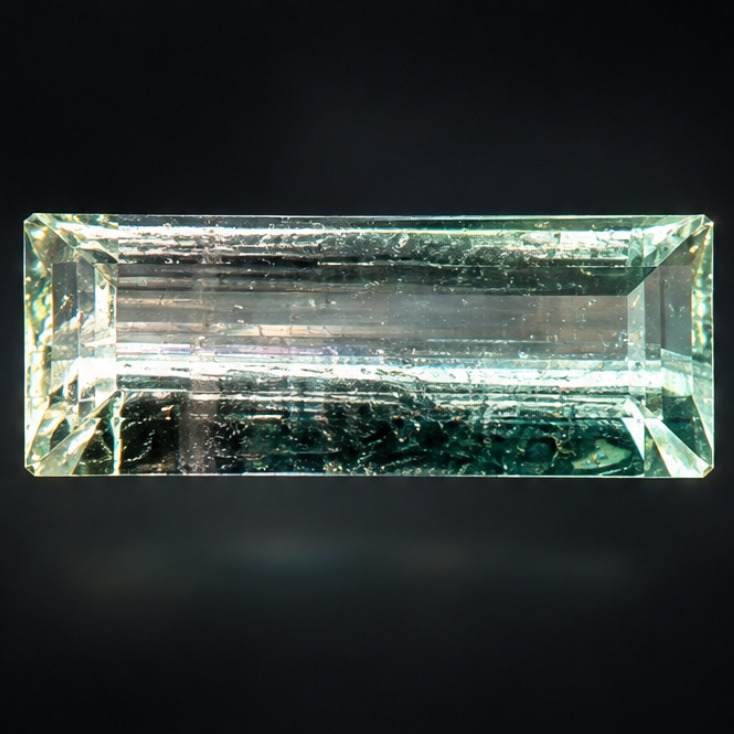
In our watermelon tourmaline the colors are very delicate - the typical combination shows here in fine pastel tones.
The watermelon tourmaline owes its name to the pink interior and the green rim, which recall the cut fruit. Both colors form within the same crystal. GIA
Our specimen weighs 0.66 carats. Its appeal lies in exactly this restraint: light, soft and unassuming.